
Designing a Patio for Texas Shade: Shade Sails, Pergolas, Pavilions, and What Each Actually Cools
Short Answer: In a Bryan or College Station yard, an unshaded patio in July can sit at 105 to 115 degrees of measurable surface temperature by 3 in the afternoon. Real shade brings that down meaningfully. A shade sail with the right fabric drops perceived temperature about 10 to 15 degrees and runs 1,200 to 4,500 dollars installed. An open pergola alone drops 5 to 8 degrees and runs 4,500 to 12,000 dollars. A pergola with a louvered or solid top drops 12 to 18 degrees and runs 12,000 to 28,000 dollars. A full pavilion with a real roof drops 20 to 25 degrees and runs 25,000 to 65,000 dollars. A mature shade tree is the cheapest and most effective option but takes 6 to 15 years to deliver. We compare cost, cooling, longevity, and design fit so you can choose the right one for your yard.
The Brazos Valley outdoor-living season is shaped by shade. A patio in direct sun in July is functionally unusable from about 11 in the morning until 7 or 8 in the evening. A patio with proper shade can be used through most of that window with a fan and a cold drink. The difference between those two patios is design.
We get asked some version of this question every spring and summer: what is the best way to shade a patio in Bryan, and what does it cost. The honest answer is that it depends on the patio, the budget, and what the homeowner wants the space to feel like. Below is a comparison of the five main shade strategies we recommend and install, with realistic costs and cooling effects for each.
Why Shade Math Matters More Here Than Most Places
Mean radiant temperature is the part of perceived heat that comes from radiant surfaces around a person. In direct sun, the radiant load from the sun itself plus radiation from heated concrete or stone underfoot can add 15 to 25 degrees to perceived temperature on top of the air temperature. A 96-degree air temperature can feel like 115 to 120 degrees on an unshaded patio in mid-afternoon.
Shade reduces both the direct solar radiation and the surface temperature of the patio under the shade. The patio under a proper roof in 96-degree air sits at a surface temperature near air temperature and feels close to 96. The patio in direct sun reads much hotter to the body. That difference is the whole point of the investment.
The other variable is humidity. Brazos Valley summer humidity sits in the 60 to 80 percent range most afternoons. High humidity reduces the cooling effect of sweat and shifts the practical comfort threshold lower. Real shade with airflow is the only thing that makes mid-afternoon outdoor time pleasant in that combination.
Option One: Shade Sails
Shade sails are stretched fabric panels tensioned between three or four anchor points. They have come a long way in the last ten years. The current generation of commercial-grade knit polyethylene sails block 90 to 95 percent of UV and a significant portion of solar radiation while still allowing airflow underneath.
Cooling effect on a Brazos Valley patio: perceived temperature drop of about 10 to 15 degrees compared to direct sun. Surface temperature of the concrete or stone underneath drops 25 to 40 degrees. The sail itself does not cool air, but the combination of blocked radiation and reduced surface temperature is the closest thing to a free upgrade in patio shade.
Installed cost: a single shade sail for a 12 by 14 foot patio with three or four steel posts set in concrete and quality commercial fabric runs about 1,200 to 2,800 dollars. Multi-sail installations covering larger patios or pool decks run 2,500 to 6,500 dollars. Posts can be replaced with attachments to existing structures (eaves, fascia, pergola posts) where geometry allows.
Pros: cost, fast install, removable for winter, design flexibility (color, shape, tension angle), good airflow underneath. Cons: visible hardware, fabric replacement every 8 to 12 years, looks less formal than built structures, does not provide rain shelter.
Design fit: contemporary and casual yards, pool decks, kids’ play areas, and patios where the homeowner wants the space to feel light. Often the right choice for a young family or a homeowner who is not ready to commit to a built structure.
Option Two: Open Pergola
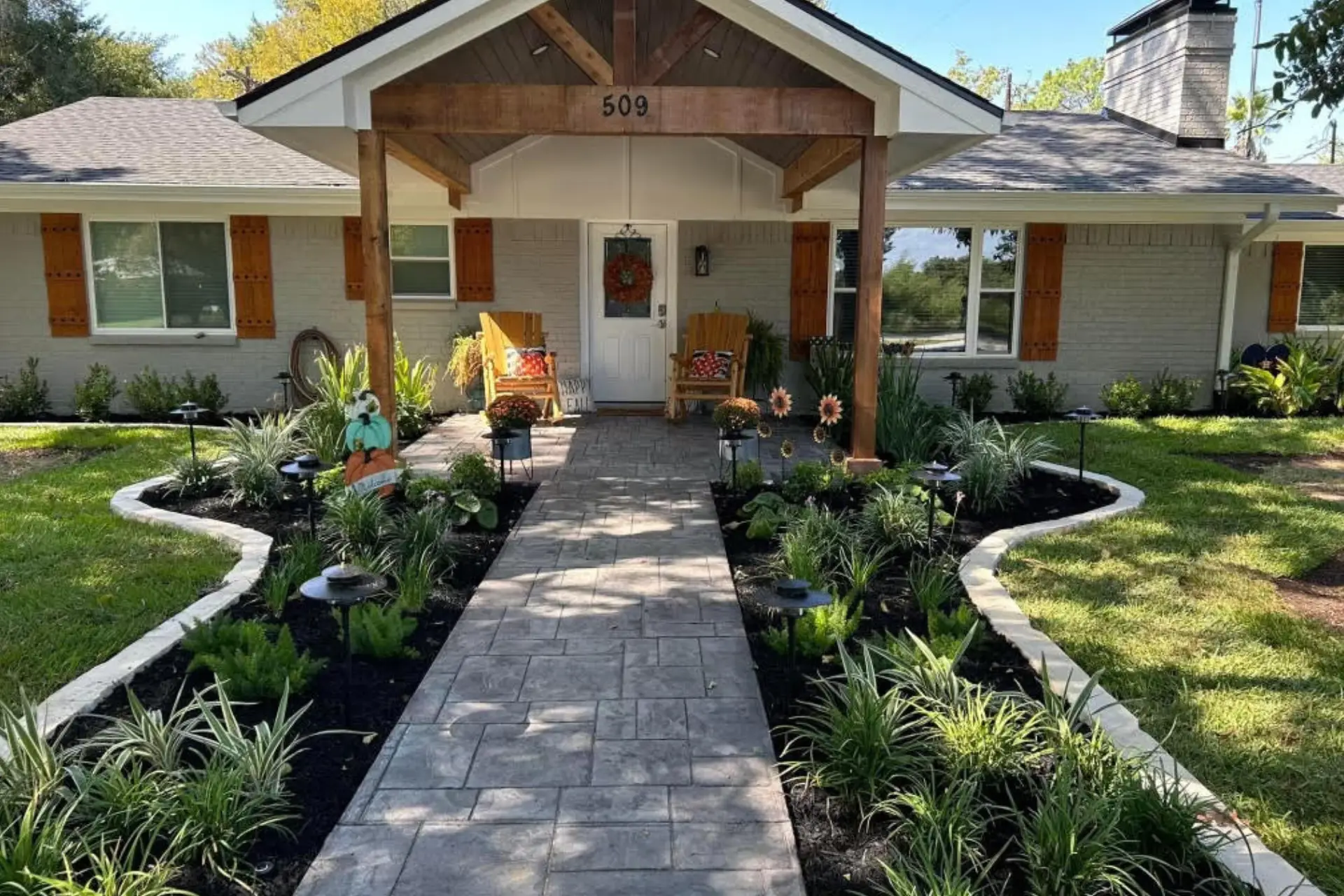
The traditional pergola is an overhead structure of beams and rafters with no solid top. Vines can grow up the posts and across the top. The open structure provides architectural presence and partial shade but does not block much direct sun on its own.
Cooling effect on its own: 5 to 8 degrees of perceived temperature drop. Surface temperature underneath drops 10 to 15 degrees because the rafters break up the direct radiation pattern. The cooling is modest because so much sun still gets through the open top.
With mature vines (wisteria, trumpet vine, climbing roses, crossvine): 8 to 12 degrees of perceived temperature drop in summer when the foliage is full. The vines add their own evapotranspirative cooling on top of the shade.
Installed cost: a quality cedar or pressure-treated pine pergola covering 14 by 16 feet runs about 4,500 to 9,500 dollars depending on post detailing and rafter complexity. Steel and aluminum pergolas run higher, in the 9,000 to 14,000 dollar range, but last longer in our humidity.
Pros: architectural presence, can support vines, defines the space, lower cost than enclosed options, partial shade allows some sun through which can be a design feature. Cons: modest cooling on its own, no rain shelter, vine maintenance required for best results.
Design fit: traditional and cottage-style yards, mid-budget projects, homeowners who want a structure that softens over time as plants grow into it.
Option Three: Pergola With Louvered or Solid Top
This is the option that has grown most quickly in the Brazos Valley over the last five years. A louvered pergola has adjustable aluminum or composite blades across the top that open for ventilation and close for full shade or rain protection. A solid-top pergola has a permanent waterproof roof of corrugated metal, polycarbonate, or composite panels.
Cooling effect: 12 to 18 degrees of perceived temperature drop with the top closed. Surface temperature of the patio underneath stays close to ambient air temperature. The louvered design lets you have direct shade in the afternoon and partial sun in cooler hours.
Installed cost: a louvered pergola covering 14 by 16 feet, including remote-controlled motorized louvers, integrated rain gutter, and integrated LED lighting, typically runs 16,000 to 28,000 dollars. A solid-top pergola of the same size in cedar with a corrugated metal roof runs 12,000 to 18,000 dollars.
Pros: real shade with airflow, rain protection on the louvered version, modern look, integrated lighting and fan options, defined room-like feel. Cons: cost, more permitting hurdles than open pergolas, motor and louver maintenance over time, less flexibility on positioning once installed.
Design fit: contemporary and modern homes, mid-to-high budget projects, homeowners who want the patio to function as a true outdoor room with weather protection.
Option Four: Pavilion or Outdoor Room
A pavilion is a permanent structure with a full roof matching the house. It often includes a finished ceiling, integrated lighting, ceiling fans, sometimes screening, sometimes a fireplace, and sometimes connections to plumbing and electrical for an outdoor kitchen.
Cooling effect: 20 to 25 degrees of perceived temperature drop. Combined with ceiling fans, a pavilion gets a Brazos Valley summer afternoon down to genuinely comfortable. Surface temperature of the floor stays at ambient air temperature.
Installed cost: a 16 by 20 foot pavilion with shingled roof matching the house, finished ceiling, electrical, ceiling fans, recessed lighting, and stained concrete or stone floor typically runs 28,000 to 55,000 dollars. Adding an outdoor kitchen, fireplace, or screening pushes the project to 55,000 to 95,000 dollars or higher.
Pros: real outdoor room with weather protection, indoor-level comfort, year-round usable space, significant property value contribution, allows pool deck or patio use through almost any weather. Cons: cost, permitting, foundation requirements, design complexity, longest project timeline.
Design fit: high-investment outdoor-living projects, homeowners who entertain frequently, properties where the pavilion becomes a primary living space several months of the year.
Option Five: Trees as Shade
The most effective and most expensive-in-time option. A mature live oak, pecan, or American elm with a 40-foot canopy spread provides 15 to 20 degrees of perceived temperature drop across the area it covers, including its own evapotranspirative cooling effect. The shade is moving, dappled, and feels different from the static shade of a built structure.
Cost is the catch. A mature tree on a property is worth 5,000 to 30,000 dollars in landscape appraisal value, but you cannot buy one and have it tomorrow. Installing a 5-gallon live oak runs 200 to 400 dollars including labor. Installing a 30-gallon specimen runs 600 to 1,200 dollars. A 100-gallon transplant runs 3,500 to 7,500 dollars and the survival rate is meaningfully lower than smaller transplants. Even a 100-gallon tree takes 6 to 10 years to provide meaningful shade.
The right move on most properties is a combination: a built structure for immediate shade plus newly planted shade trees that will mature over the next decade. The structure pays the comfort cost now. The trees pay the comfort dividend later and reduce the long-term reliance on the structure.
What We Actually Recommend by Budget
Under 5,000 dollars: a quality shade sail installation plus one or two 5-gallon shade trees planted in October. The sail delivers immediate cooling. The trees deliver compounding return over the next decade.
5,000 to 15,000 dollars: an open or solid-top cedar pergola plus shade-tree planting. Adds architectural presence to the yard and significantly improves usable time.
15,000 to 35,000 dollars: a louvered pergola with motorized top and integrated lighting, plus shade-tree planting. This is the sweet spot for many of our clients who want real outdoor room comfort without committing to a full pavilion.
35,000 dollars and up: a full pavilion with finished ceiling, fans, lighting, and either outdoor kitchen or fireplace, plus a small specimen shade tree near the structure. This becomes the primary outdoor living space and is used most of the year.
Design Considerations That Apply to All Five
Orientation matters. Our worst sun comes from the west in the afternoon. Shade structures and shade trees positioned on the west side of a patio deliver more cooling than the same structures on the south or north side because they block the highest-intensity afternoon load.
Airflow matters. Static shade with no airflow holds heat. Shade with breeze (whether natural or from ceiling fans) feels dramatically cooler. We orient structures to take advantage of prevailing southerly breezes whenever the site allows.
Surface materials matter. Light-colored concrete, limestone, and pale stone read 10 to 20 degrees cooler than dark concrete or dark pavers in direct sun. If the patio is being built new or refinished, going lighter on the surface materially improves comfort under any shade option.
Integration with planting matters. The most successful patio shade projects we have installed combine the built structure with planted screening (oleander, Texas sage, native grasses) that block low-angle morning and evening sun. The screening makes the structure feel finished and adds a second layer of cooling.
Frequently Asked Questions
Will a shade sail survive Brazos Valley storms?
A quality commercial sail properly tensioned and anchored to engineered posts handles typical summer storms without issue. We take sails down for major weather events (named storms, severe wind warnings). Homeowners who do not want to manage seasonal takedown should plan on a built structure instead.
Do I need a permit for any of these?
Shade sails generally do not require a permit in Bryan or College Station. Open pergolas often require a permit depending on height, attachment to the house, and city. Louvered pergolas, solid-top pergolas, and pavilions almost always require a permit. We handle the permitting on our installations and the cost is built into the quoted price.
What about misting systems?
Misters add 8 to 15 degrees of cooling under any shade structure. We recommend high-pressure mister systems for clients who want maximum comfort. Installed cost runs 800 to 2,500 dollars depending on coverage area.
What about screens?
Adding retractable or fixed insect screens to a pergola or pavilion changes the structure into a screened outdoor room. Cost adds 3,000 to 8,000 dollars depending on size and screen system. It is the single best upgrade for evening mosquito tolerance.
What to Do Next
If you want a shade plan tailored to your specific patio, exposure, and budget, we are glad to come walk the yard. We will tell you which option fits the site, what the realistic cost range is, and what phasing makes sense if the project will span more than one season.
Call us at (979) 204-1996 or visit greenerlawnscapes.com to schedule. We serve Bryan, College Station, and the Brazos Valley.