
Hardscape vs Softscape: What’s the Difference and What Should Your Yard Have?
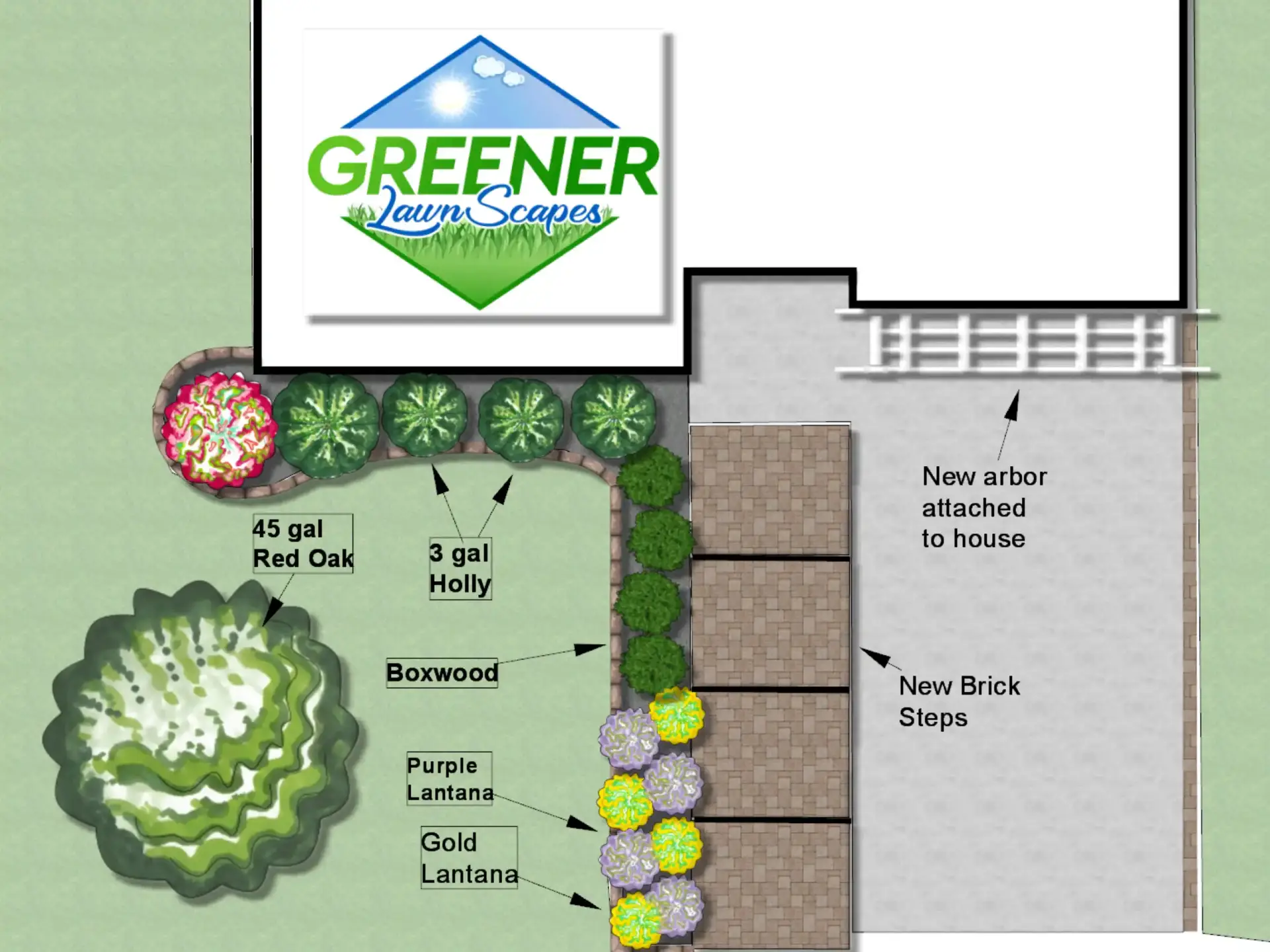
Short Answer: Hardscape includes the non-living structural elements of your landscape: patios, walkways, retaining walls, pergolas, edging, and outdoor lighting. Softscape includes the living, growing elements: lawn, plants, shrubs, trees, ground covers, and mulch. The best landscapes blend both at roughly 60 percent softscape to 40 percent hardscape on most residential lots, though the ideal balance depends on how you actually use your yard. Here is how to think through what your specific property in the Brazos Valley needs.
If you have been researching landscape design or talking to designers, you have probably heard the terms hardscape and softscape thrown around without much explanation. Both are foundational concepts in landscape design, and understanding the difference helps you have better conversations about what you want.
Across Bryan and College Station, the right balance between the two depends on how you use your yard, the climate constraints we deal with, and what kind of maintenance you are willing to commit to. Let us walk through both.
What Hardscape Actually Means
Hardscape is everything in your landscape that is not living. The most common hardscape elements:
Patios and decks for outdoor living, made from concrete, pavers, flagstone, or composite decking.
Walkways and paths connecting the home to other areas of the property.
Retaining walls that hold back grade changes or create planting terraces.
Pergolas, gazebos, and pavilions that provide shade structures.
Outdoor kitchens, fire pits, and water features.
Edging materials that define plant beds.
Outdoor lighting fixtures and pathways.
Fencing, gates, and screening structures.
Hardscape is the bones of a landscape. It defines spaces, creates flow, and provides function.
What Softscape Actually Means
Softscape is everything that grows. The main softscape elements:
Lawn (turf grass) covering open areas.
Trees providing shade, structure, and seasonal interest.
Shrubs forming masses, hedges, or focal points.
Perennial flowers and grasses adding seasonal color.
Annuals planted for short-term color displays.
Ground covers replacing lawn in tough areas or creating texture variation.
Mulch covering bare soil, retaining moisture, and suppressing weeds.
Vegetable and herb gardens for productive use.
Softscape brings the landscape to life. It changes through seasons, grows over years, and provides the natural beauty that hardscape cannot.
Why Both Matter Together
A property with only softscape often feels formless. The lawn extends to the property line, plants are scattered without organization, and there is no defined gathering space. The yard exists but does not invite use.
A property with only hardscape often feels harsh. Concrete and stone dominate without the softening effect of plants. The yard looks built rather than alive.
The combination creates the residential landscapes most homeowners actually want. Defined patios for entertaining (hardscape) surrounded by mature plantings for privacy and beauty (softscape). Walkways through plant beds (both). Retaining walls topped with cascading perennials (both).
Right Balance for Brazos Valley Properties
Most residential lots in our area work well with roughly 60 percent softscape and 40 percent hardscape. The exact balance shifts based on a few factors:
Lot size. Smaller lots often need more hardscape to define spaces. Larger lots can support more softscape without feeling unstructured.
How you use the yard. Frequent entertainers benefit from larger patio areas. Families with young kids benefit from more open lawn space.
Maintenance preferences. Hardscape requires less ongoing maintenance than softscape. Homeowners who travel frequently or want lower-maintenance properties lean toward more hardscape.
Climate considerations. Texas heat makes shaded outdoor living spaces particularly valuable. Pergolas and pavilions over hardscape patios extend the usable months for the yard.
What to Add Hardscape For
Specific situations where adding hardscape makes the most sense:
You have an unused side yard or backyard area that you want to actually use. A defined patio creates the destination.
The yard has grade changes that produce erosion, drainage issues, or wasted space. Retaining walls and terraces solve all three.
You entertain often and need flat, comfortable spaces for furniture and people.
Mulch beds keep washing out, plants struggle in certain spots, or maintenance is overwhelming. Strategic hardscape reduces softscape area to manageable levels.
What to Add Softscape For
Specific situations where adding softscape makes the most sense:
The yard feels barren or harsh. Plants and trees provide softness, color, and life.
You need privacy or screening from neighbors. Shrub or tree plantings handle this beautifully.
Existing hardscape lacks character or feels too institutional. Surrounding plantings transform the feel.
You want seasonal interest. Perennials, flowering shrubs, and color-changing trees provide variety through the year.
You have shade challenges. Shade-tolerant ground covers and shade plants thrive where lawn struggles.
Common Mistakes
Too much lawn. Many properties have more lawn than they need or use, which means more mowing, watering, and fertilizing for areas that produce no real use value. Replacing low-use lawn with planted beds or hardscape often reduces maintenance while improving aesthetics.
Too much hardscape with no softening. Large concrete patios with no surrounding plants feel cold and unfinished.
Hardscape installed without considering drainage. Patios that block water flow create new drainage problems.
Softscape installed without considering mature size. Plants that look right at installation can outgrow their spaces dramatically over 5 to 10 years.
Mismatched materials. Mixing too many different stone types, mulches, or edging materials produces a chaotic look.
Planning the Right Balance for Your Yard
Walk your property and answer a few questions. Where do you actually use the yard, and where do you wish you used it more? What features do you have that you love, and what do you wish was different? What maintenance level are you willing to commit to long term?
The answers point toward what to add and what to remove. Most properties benefit from 1 to 3 specific changes rather than wholesale redesign. Identifying those changes is what landscape design consultations are for.
What to Do Next
If you are thinking about your Bryan or College Station yard and how the balance of hardscape and softscape could be improved, we are glad to do a walk-through. We will look at how you use the space, identify what is working and what is not, and propose specific changes that would make the biggest difference. Reach out anytime.