
Planning a Fall Landscape Project in Bryan and College Station: Why August Is the Time to Start
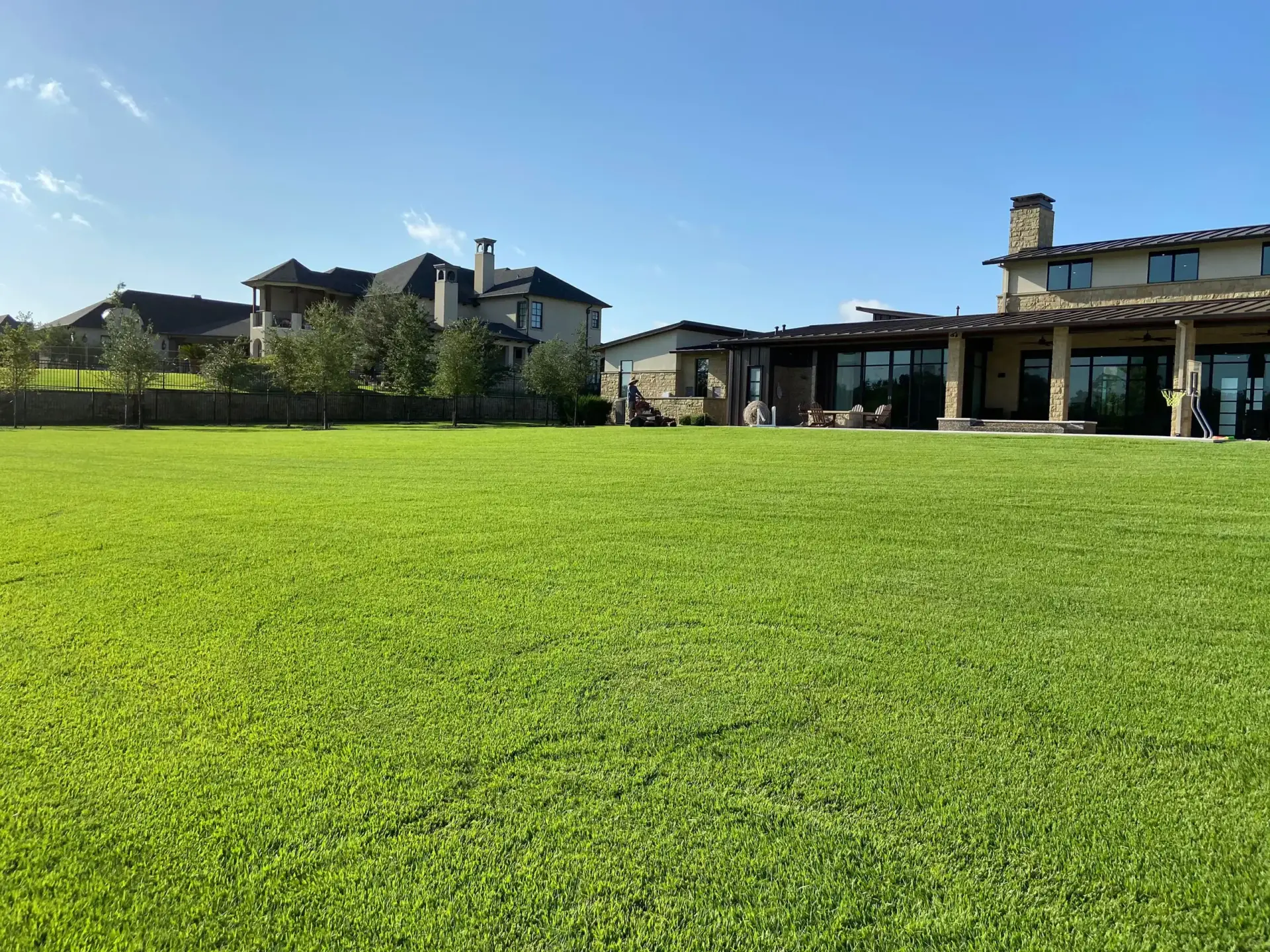
Short Answer: In the Brazos Valley, fall is the best season to install a landscape project, and August is when the planning should happen. Cooler air and still-warm soil give new plantings a long, low-stress window to establish before summer, and the design, plant sourcing, and scheduling all take lead time that late summer provides. Starting in August means design and prep happen now so installation lands in the ideal fall window, rather than scrambling for whatever dates are left. Here is why fall projects succeed in Bryan and College Station and how to use August to set yours up.
Most people think about landscaping in spring, when the yard wakes up and the urge to fix it is strongest. But for a real landscape project in the Brazos Valley, design, planting, hardscape, the more capable season is fall, and the work of making a fall project succeed starts now, in August. The homeowners who get the best results are the ones planning while everyone else is still just enduring the heat.
A landscape project is not something you decide on a Saturday and install the next week. Design takes time, the right plants have to be sourced, and the best installation windows fill up. Treating August as planning season rather than waiting for fall to arrive is what separates a smooth, well-timed project from a rushed one. Here is why fall is the right season to install and how to use late summer to get ahead of it.
Why Fall Is the Best Season to Install
The core reason is the same one that governs planting in our climate: what happens to roots. A landscape installed in fall, the trees, shrubs, and beds, goes into cooling air but still-warm soil, which is ideal for root establishment. The plants spend fall and our mild winter building roots without the demand of surviving a Texas summer. By the time the heat returns, they are established and far better able to handle it.
A spring or summer install faces the opposite. New plantings have only weeks to establish before the heat arrives, which means higher stress, much heavier watering just to keep things alive, and a greater chance of losing plants. Fall installs reward you with better survival, lower establishment watering, and plants that look settled rather than struggling the following year. For a project you are investing real money in, timing it to fall protects that investment.
Why the Planning Has to Start in August
If fall is when the project goes in, August is when it gets designed and prepared, and that lead time is not optional. A few things have to happen before any plants go in the ground, and each takes time.
Design Takes Time to Do Right
A good landscape design is not a quick sketch. It involves looking at the property, understanding the soil, sun, and drainage, selecting plants suited to your specific conditions, working out grading and layout, and often producing a plan or rendering so you can see the result before anything is built. Rushing that process produces generic results. Starting the design conversation in August gives it the room to be thorough, so the fall install reflects a real plan rather than a hurried one.
Plants and Materials Have to Be Sourced
The right plants in the right sizes are not always sitting on a shelf, especially the well-adapted species and specimen sizes that make a design look intentional. Sourcing them, and any hardscape materials a project includes, takes lead time. Planning in August means the materials are lined up for a fall installation rather than substituted at the last minute because the first choice was not available.
The Best Installation Dates Fill Up
Fall is the busy season for landscape installation precisely because it is the best season, and the prime stretch of weather books up. Getting on the schedule in late summer means hitting the ideal fall window rather than being pushed toward late fall, when the establishment runway shortens. The homeowners who plan early get the timing that makes their project succeed; the ones who wait often take whatever is left.
What a Well-Planned Fall Project Looks Like
Used well, the late-summer-into-fall sequence is unhurried and produces better results. August is for assessment and design: walking the property, identifying what is working and what is not, deciding on the scope, and developing the plan. Late August into September is for preparation and the start of installation as the worst heat breaks, with soil prep, bed shaping, and any hardscape work. The planting lands in the heart of the fall window, when establishment conditions are ideal.
Compare that to the common alternative: a homeowner decides in October they want the yard redone before the holidays, and everything gets compressed into a rushed design, whatever plants are available, and an install pushed late enough that establishment is a gamble. Same money, worse result. The project that started as an August conversation simply has time on its side at every step.
Using August to Get Ahead
Even before any professional involvement, August is a good time to clarify what you actually want from the yard. Walk it and note what frustrates you, where you wish you had shade, screening, color, or usable space, and which areas have never worked. Take photos. Think about how you use the yard and how you wish you could. That clarity makes the design process faster and better, because the plan starts from real goals rather than a blank page.
From there, the design and scheduling can move while the weather is still too hot to plant anyway, so nothing is lost to the heat. By the time fall conditions arrive, the plan is set, the materials are sourced, and the install is on the calendar. August planning turns the best installation season into a project that actually happens on time rather than a good intention that slips into next year.
Frequently Asked Questions
Why not just do my landscape project in spring?
Spring works, but fall is the stronger season in the Brazos Valley because new plantings get a long, cool establishment window before summer rather than being thrown into the heat. Fall installs survive better and need less establishment watering, which is why we steer larger projects toward fall and plan them in late summer.
Isn’t it too hot to do anything in August?
Too hot to plant, often yes, but not too hot to plan. August is for design, plant sourcing, and scheduling, the work that has to happen before installation. Doing it now means the planting lands in the ideal fall window instead of being rushed once fall arrives.
How long does the whole process take?
It varies with scope, but design, sourcing, and scheduling realistically take weeks, not days, which is exactly why starting in August matters for a fall install. A larger project with detailed design and hardscape needs more lead time than a simple bed refresh.
What should I have ready before I call?
A rough sense of your goals and budget helps most: what you want to change, how you use the yard, and any must-haves. Photos of the areas and a sense of your timeline let the design conversation move quickly. You do not need a finished vision, just a starting point.
The Bottom Line
The best landscape projects in Bryan and College Station are installed in fall and planned in August. Fall gives new plantings the cool, low-stress establishment window our climate demands, and late-summer planning gives the design, sourcing, and scheduling the lead time they need to be done well. Treat August as the start of the project, not the off-season, and you get a landscape installed at the right time, by a real plan, that thrives instead of struggles. The yard you want next spring is built by the decisions you make this August.
What to Do Next
If you have a landscape project in mind for this fall, August is the time to start the conversation. We are glad to walk the property, talk through your goals and budget, and build a plan and timeline that lands the installation in the ideal fall window.
Call us at (979) 204-1996 or visit greenerlawnscapes.com to schedule. We serve Bryan, College Station, and the Brazos Valley.