
Outdoor Kitchens and Pergolas in Bryan TX: 7 Design Decisions to Make Before You Build
Short Answer: Before committing to an outdoor kitchen or pergola project in Bryan or College Station, work through 7 decisions: orientation relative to sun and prevailing winds, materials that hold up to Texas heat and humidity, electrical and gas infrastructure routing, shade strategy beyond the pergola itself, kitchen layout based on cooking style and entertainment patterns, drainage and grading around the structure, and how the new structure integrates with the existing landscape. Getting these right at the design stage costs $0. Fixing them after construction costs thousands.
Outdoor kitchens and pergolas have become some of the most requested projects in Brazos Valley landscapes over the past five years. Done well, they add significant property value and become the most-used outdoor space on the property. Done poorly, they become expensive features that nobody uses because the design did not account for how Texas summer actually works.
We want to walk you through seven decisions that separate successful projects from regrettable ones. Each decision is free to consider at the design stage. Each one is expensive to fix after the concrete is poured.
Decision 1: Orientation
Where the structure faces matters enormously in Texas. The prevailing summer wind in our area comes from the south to southeast. The hottest exposure is west-facing because of afternoon sun. The most usable exposure for an outdoor kitchen is typically east or north-facing, which gets morning sun and shade in the afternoon when people actually want to be outside.
A west-facing pergola without significant shade strategy is essentially unusable from 2 p.m. to 7 p.m. in summer. Even with shade cloth, west-facing surfaces radiate heat. Plan around this from day one.
Consider also the relationship to the house. An outdoor kitchen adjacent to the indoor kitchen reduces back-and-forth trips when cooking for groups. An outdoor kitchen in the back corner of the yard looks great but means longer trips for forgotten items.
Decision 2: Materials That Survive Texas
Brazos Valley summers expose materials to extreme conditions: temperatures up to 105 degrees, intense UV, sudden temperature swings during storms, and high humidity. Materials that work in milder climates can fail here.
Stainless steel components must be marine-grade (316 stainless) not standard 304. Standard 304 stainless rusts faster than expected in our humidity. The cost difference is modest. The durability difference is significant.
Stone and concrete countertops hold up well. Quartz countertops can crack under temperature swings if not properly supported.
Wood pergolas need to be cedar, redwood, or properly treated framing lumber. Untreated pine fails within a few years. Composite pergolas resist insects and rot better than wood but absorb and radiate heat differently.
Metal pergolas are common but need careful design. Steel structures get extremely hot in direct sun. Aluminum is lighter and absorbs less heat but more expensive.
Decision 3: Electrical and Gas Infrastructure
The infrastructure decisions made at the framing stage determine what you can run on the structure for the next 20 years.
Run more electrical capacity than you think you need. Future ice makers, refrigerators, fans, lighting, sound systems, and television installations all want power. Adding outlets later requires opening walls and trenching.
Plan gas runs for grills, side burners, and possibly pizza ovens. Natural gas is dramatically cheaper than propane over time but requires a permanent line from the house.
Plan water lines for sinks and ice makers. Drainage for sinks. Lighting circuits separate from outlet circuits. Internet connectivity for outdoor entertainment systems.
Decision 4: Shade Strategy Beyond the Pergola
A bare pergola is decorative, not functional shade. Real Texas shade requires either solid roofing, retractable canopies, climbing vines, or a combination.
Solid roofing (metal, polycarbonate, asphalt shingles) provides the most reliable shade but changes the visual feel from open pergola to roofed pavilion. Building permits typically required.
Retractable canopies on track systems give you flexibility. Open in mild weather, closed during peak sun. More expensive but more usable across seasons.
Climbing vines (wisteria, jasmine, grape, climbing rose) take 2 to 4 years to provide meaningful shade. Plan for shade in years 3 to 5, not year 1.
Strategic shade trees planted around the structure can supplement pergola shade dramatically once mature.
Decision 5: Kitchen Layout
The L-shape, U-shape, and island configurations each serve different cooking and entertaining patterns.
L-shape works well for couples and small groups. Counter space along one wall, cooking equipment along the other.
U-shape provides the most counter space and accommodates multiple cooks. Best for serious cooking and large gatherings.
Island layouts create a social cooking experience where guests can interact with the cook. Most flexible but requires more square footage and infrastructure.
Think about how your family actually uses your indoor kitchen and replicate that pattern outside. Force-fitting a configuration that does not match your cooking style produces an expensive space that does not get used.
Decision 6: Drainage and Grading
Brazos Valley summer storms can drop several inches in an hour. The structure and surrounding hardscape need to handle that water without flooding the cooking area, damaging the structure, or routing water toward the house.
Plan grade so water flows away from the structure. Add French drains or trench drains in low areas. Consider permeable hardscape materials where possible. Plan downspout routing from any solid roofing.
This is one of the most commonly overlooked decisions. Homeowners discover the drainage problem during the first major storm after construction. Fixing it then costs 5 to 10 times more than getting it right initially.
Decision 7: Integration With Existing Landscape
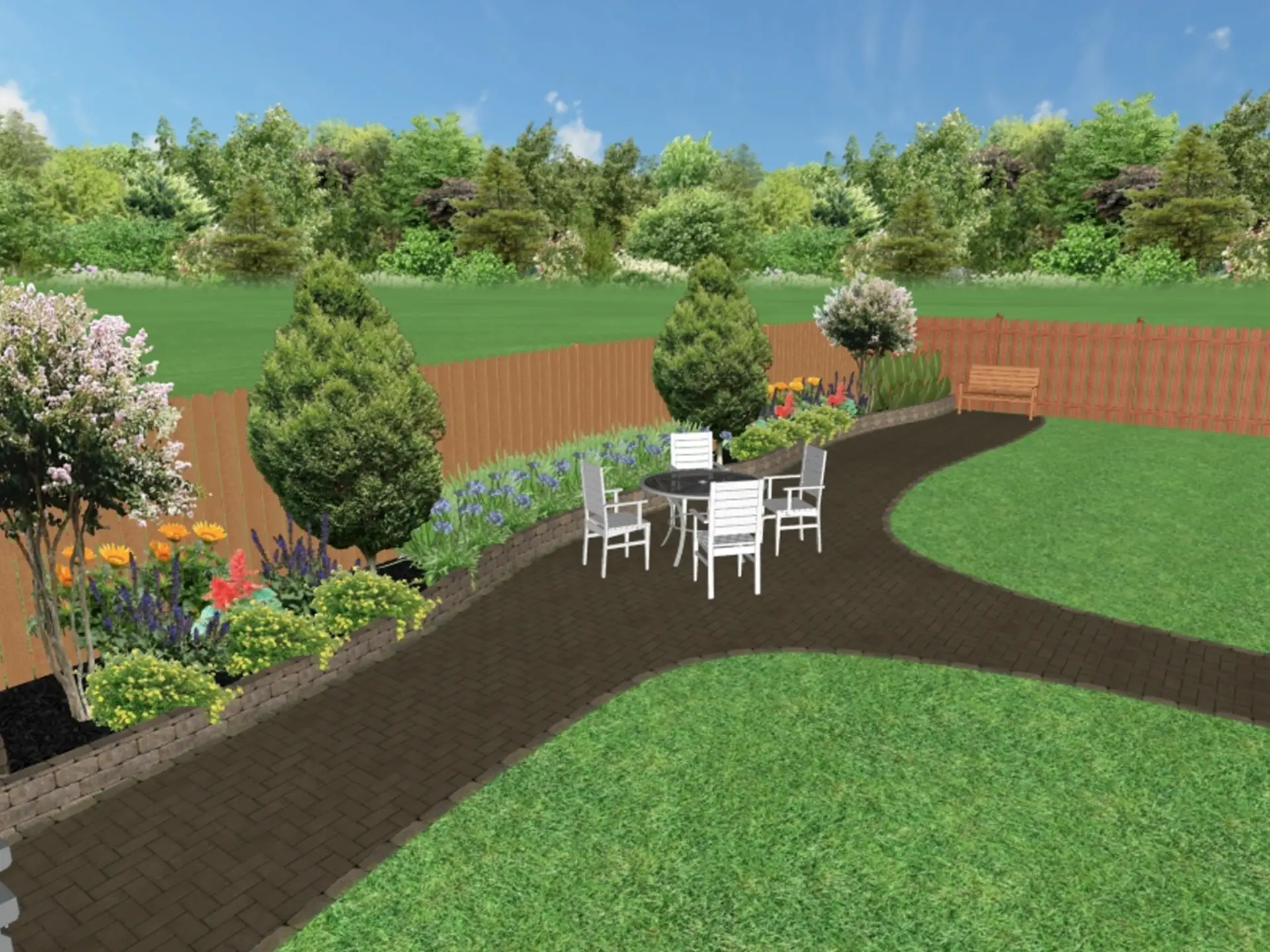
The structure should feel like a natural extension of the existing landscape, not a transplant. This means thoughtful plant material around the structure, hardscape materials that complement existing surfaces, and lighting that ties into the existing landscape lighting.
Avoid creating an island feature that floats in the middle of the yard with no connection to anything around it. The most successful projects we have built integrate with existing trees, beds, and hardscape so the new structure feels like it was always there.
Realistic Budget Ranges
Putting numbers on it. A basic pergola with simple decking: $5,000 to $15,000. A pergola plus basic outdoor kitchen (grill, counter, sink): $20,000 to $40,000. A full outdoor kitchen with extensive infrastructure, premium materials, and integrated lighting: $50,000 to $120,000 or more.
The biggest cost drivers are infrastructure (electrical, gas, water), premium materials (stone, marine-grade stainless, specialty woods), and roofing approach (open pergola vs solid roof). The cheapest projects often become regrets within 3 to 5 years. Mid-range projects with attention to the 7 decisions above typically produce the best value.
Common Project Timeline Patterns
For homeowners planning outdoor kitchen or pergola projects in Bryan or College Station, here is the timeline pattern that typically produces best results. October to December: initial conversations, site assessment, rough budget. January to February: detailed design and material selection. March to April: permit applications and contractor selection. May to July: construction. August to September: final inspections, landscaping integration, first outdoor entertaining season. Starting late in the year and pushing through winter for design allows you to break ground in spring and use the space for the full following season. Projects rushed in summer often face material delays, permit backlogs, and construction crews stretched thin.
Frequently Asked Questions
Do I need a permit?
Most outdoor kitchens require electrical and possibly gas permits. Pergolas under a certain size and not attached to the house may not require structural permits. Verify with your local jurisdiction (Bryan, College Station, or Brazos County) before starting.
How long does a typical project take?
Design and approvals: 2 to 6 weeks. Construction: 6 to 16 weeks depending on complexity. Plan for 3 to 6 months from initial conversation to usable space.
Should I do this in winter or summer?
Winter and early spring are the best construction windows. Cooler weather is better for concrete and stonework, and projects completed by May are ready for the full outdoor season.
What about future maintenance?
Plan for annual maintenance: cleaning stainless steel, oiling cedar or specialty woods, sealing stone counters, checking gas connections. Budget 1 to 3 percent of project cost annually for maintenance.
How to Find the Right Contractor
Beyond design considerations, the choice of contractor matters enormously for outdoor kitchen and pergola projects. Look for contractors with portfolio examples in similar style to what you want, references you can actually call, insurance and bonding appropriate to the project scope, willingness to itemize bids rather than lumping everything together, and design-build capability if you have not separately hired a designer. The cheapest bid is almost never the best value. The most expensive bid is not necessarily best either. Ask hard questions about timeline, materials, change orders, and warranty before signing.
What to Do Next
If you are considering an outdoor kitchen or pergola project, the right starting point is a design conversation before any construction. We are glad to walk your property, discuss how you actually use outdoor space, and put together a design that fits your lifestyle and budget.
Call us at (979) 204-1996 or visit greenerlawnscapes.com to schedule a design consultation. We serve Bryan, College Station, and the Brazos Valley.